A sloped lot in the San Gabriel Valley can feel like a riddle. The views are incredible, the breezes are kind, yet mowing is a circus act and every rainstorm carves ruts through the yard. Terracing turns those angles into useful, beautiful spaces that hold up through dry summers and fast winter downpours. I grew up working the foothills between Pasadena and La Cañada Flintridge, where soils shift from decomposed granite to sticky clays within a few streets. Done right, terraces become rooms that invite you outside year round. Done wrong, they fight gravity, drain badly, and cost double to fix.
This guide shares a practical approach to terracing in our local conditions, from reading the slope to choosing retaining wall materials, from permitting to irrigation that makes sense for drought cycles. I’ll fold in field notes from hillside projects and point to water‑wise choices that have held up over years, not just one rainy season.
What terracing solves in the SGV climate
Our region sees long, dry stretches interrupted by short, intense rain events. Pasadena averages roughly 15 to 22 inches of rain in a typical year, most of it between November and March. Storms can dump a month’s worth of water in a day, then we go straight back to bone dry and Santa Ana winds. On a slope, that pattern creates three headaches: erosion, unusable grade, and moisture stress for plants that either drown or desiccate.
Terraces break the slope into flat benches, each with built‑in drainage and planting zones. That means:
- Soil stays where you put it, instead of riding a muddy slide toward your driveway. You gain level pads for a patio, veggie beds, or a small lawn alternative that doesn’t need weekly rescue. Water moves in a controlled way through swales, drains, and permeable surfaces, recharging the ground without flooding your neighbor.
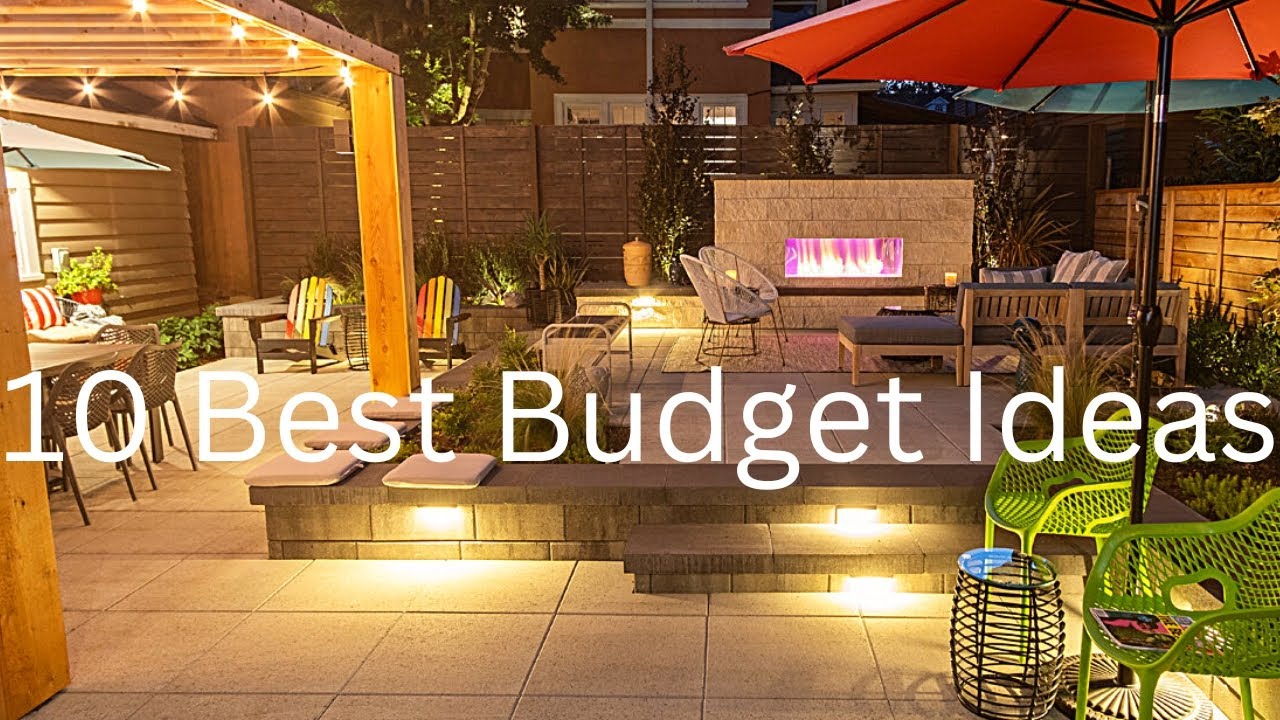
If you like to entertain, terraces can turn a steep lot into a sequence of experiences: a shaded dining area on one level, a fire pit a few steps up where you catch sunset, then a native meadow on the upper bench that blocks street noise. On tight hillside parcels, this layered design beats trying to force one big backyard onto the steepest part of the lot.
Read the slope before you draw a line
Every hillside has a personality. Spend a morning on site with a notepad and a cup of coffee. Watch where shadows fall at 10 am and 4 pm. Look for old erosion scars, crusted soil, gopher mounds, or a damp spot that stays green in August. If you have mature oaks, especially coast live oak, note the dripline and root flare. Those trees set the rules. You can work near them, but they need their roots undisturbed and their toes dry. If you’re planning an oak‑friendly layout, pull from resources on Coast Live Oak care for Pasadena homeowners and keep irrigation lines outside the dripline.
Measure the slope using a builder’s level or a simple string line and line level. Over 25 to 30 feet, how much does the grade drop? A 1 foot drop over 10 feet is a 10 percent slope. As a rule of thumb, a single low wall can comfortably manage a 3 to 4 foot cut, while taller grade changes are safer and friendlier when divided among two or three terraces with steps between. More, smaller benches feel natural and read well from the house.
Soils matter just as much as slope. In the lower SGV, you’ll find alluvial sands and gravels that drain fast. Higher on the foothills, expansive clays can swell and shrink. Both can be stable with the right foundation and backfill, but each wants a different drainage detail. If you’re not sure what you have, dig a small test pit to 24 inches. Sandy soils crumble and drain visibly. Clay smears, holds water, and may smell earthy for hours after a soak test. For significant walls, hire a soils engineer to confirm bearing capacity and backfill recommendations. It is money well spent.
Terracing as a set of rooms, not just a stack of walls
It is easy to focus on the walls, since they do the heavy lifting. Still, start with how you want to live outside. A Pasadena family I worked with had a 12 foot total drop from street to back fence. They wanted space to host friends, room for the kids, and low maintenance planting. We created three benches: an 18 by 20 foot lower patio wrapped with rosemary and manzanita, a mid‑level play lawn of Kurapia groundcover that cut water use by about two thirds versus turf, and an upper garden with ceanothus and buckwheat that stayed wild and soft. Each terrace solved a use, and the walls faded into the backdrop by design.
Think in terms of doorways and sightlines. Avoid a staircase that shoots straight up like a ladder. Instead, run two short flights with a landing that doubles as a little reading perch. Terraces should feel connected but distinct. Low plantings near view edges, taller shrubs for privacy where the lot lines crowd in. A pergola can anchor a patio on a south or west exposure, taming heat while casting shade patterns that make the space feel alive. Pergola design ideas for Pasadena properties tend to favor light framing and slatted tops that won’t catch wind.
Choosing retaining wall systems that work here
The best retaining wall materials for Pasadena hillside homes strike a balance between engineering certainty, aesthetic fit, and cost. In our region, four systems dominate: dry‑stacked stone, segmental concrete block, cast‑in‑place concrete, and mortared CMU with veneer. Timber shows up on older properties but is usually a short‑lived fix in this climate.
- Segmental blocks work for homeowners who want a proven system with engineered specs and integrated drain details. They curve smoothly, handle tiered walls well, and install faster than masonry. The face reads contemporary unless you pick a more textured block. They are one of the best hardscape materials for Southern California homes when you need predictable performance and a tidy budget. Dry‑stacked stone looks timeless and sits beautifully with Craftsman and Spanish Colonial facades. It demands skill and a solid gravel footing, and height should stay modest on DIY projects. Where we need more strength, we combine it with a hidden CMU backup. Cast‑in‑place concrete makes sense for narrow setbacks or where a slender profile frees up space. It pairs nicely with board‑formed textures or integral color. Costs run higher for formwork and finishes, but the results are crisp and durable. CMU with stucco or stone veneer is a common middle path. The core provides strength, the veneer ties to the architecture. It is flexible on curves and corners, and contractors can fine‑tune the drainage plane behind the face.
If your slope holds more than 3 to 4 feet of soil in one shot, expect to involve engineering and permitting. Pasadena, La Cañada Flintridge, and surrounding SGV cities each have thresholds, but as a rule, taller walls or tiered walls placed close together are considered a system and reviewed as such. Talk to your building department early, and never bury a required drainage outlet.
Drainage is not optional
Water respects physics more than landscaping. For every terrace, plan for three things: relieving water pressure behind walls, moving surface water gently across the flat bench, and handling big storms without damage.
Behind walls, we set a perforated drain pipe at the base, wrapped in fabric and buried in washed gravel. We run that pipe to daylight or to a solid line that takes water to a lawful discharge point. On benches, we pitch patios 1 to 2 percent away from structures and toward a swale or area drain. On planted terraces, a shallow swale at the back of the bench can catch sheet flow and feed a bioswale or dry well where soils allow. In tight clays, stick to solid conveyance with cleanouts. Use permeable pavers only where the subgrade and outlet can accept infiltrated water.
On one Arcadia project, the homeowner asked to skip the wall drain to save money, since the face looked pretty solid. The first December storm created weep lines, the second bowed the wall a half inch. We pulled two courses, retrofitted pipe and gravel, and reset capstones. The repair cost twice what the original drain would have. Water is always cheaper to plan for than to fight.
A practical workflow from concept to planting
Most hillside upgrades break into a clean sequence. This keeps you out of rework and lets inspections hit at the right time.
- Site study and concept plan. Measure grade changes, note sun and wind, sketch bench sizes that fit furniture, play equipment, or garden beds. Identify existing trees and the no‑go zones around their roots. Decide where steps and landings naturally want to land. Engineering, permitting, and logistics. For walls over local thresholds or with surcharge, bring in a structural engineer and submit drawings. Ask your city about setbacks, rails, and drainage discharge rules. Line up access for equipment and materials before you mobilize. Excavation, footing prep, and drainage rough‑in. Cut benches to subgrade, over‑excavate for wall base, and compact in lifts. Install footing drain, gravel backfill zones, and any sleeve conduits for future lighting or irrigation. Wall build, flatwork, and stairs. Construct retaining walls per spec, then build steps and patios while you still have equipment on site. Choose hardscape with our climate in mind. For patios, paver patio vs concrete patio comes up often in Pasadena. Pavers handle small shifts and let water breathe through joints, while concrete gives a smooth monolithic surface. On slopes with tree roots or small settlement risk, pavers age more gracefully and make repairs simple. Irrigation, planting, mulch, and finishes. Set up drip for planting zones and a separate valve for any high‑use area like a small lawn alternative. Install trees and shrubs, then finish with mulch and lighting. Program irrigation and walk the site after the first big rain to confirm flows.
Timing your project for fewer headaches
The best time to start a landscaping project in Southern California is often late fall through early spring. Cooler temperatures mean less plant stress, and soil compaction is easier to manage when the ground has some moisture. In Pasadena, I like to break ground after the first light rains have knocked down dust, but before heavy storms complicate excavation. If your schedule forces a summer start, stage erosion control upfront, maintain soil moisture during compaction, and plan more frequent plant checks through the first season.
Hardscaping for hillside homes in La Cañada Flintridge and the Pasadena foothills often requires a quick turnaround around holiday travel and school calendars. Build that into your timeline. A moderate terrace project with 2 to 3 walls under 4 feet each often runs 6 to 10 weeks from mobilization to planting, depending on access and inspections.
Planting palettes that thrive on terraces
Terraces offer microclimates in miniature. The lower bench by the house might be warmer, while the upper terrace catches more breeze. Lean into that. Drought‑tolerant design for South Pasadena Craftsman homes, Spanish Colonial bungalows in San Marino, and mid‑century lots in Altadena can all draw from the same core of California natives and Mediterranean companions, arranged by exposure and scale.
For structure, choose the best drought‑tolerant trees for Pasadena yards with care for mature size and root behavior. Desert willow, Arbutus unedo, and toyon sit nicely without heaving walls. If you have room and the right conditions, a coast live oak becomes a legacy tree, but keep walls and grading outside its critical root zone to avoid root damage and excess moisture. Understory picks like ceanothus, manzanita, Cleveland sage, and buckwheats offer seasonality and habitat while sipping water. The California lilac, or ceanothus, lights up a hillside in March and April, then goes quiet on a deep, infrequent soak. Give it sun and fast draining soil. For groundcovers on sunny slopes, look at Carex pansa, yarrow cultivars, and native fescues. On the shadier side of a mid‑level terrace, heuchera, coffeeberry, and Catalina perfume do well.
When you replace a lawn, terraces help. How to replace your lawn with drought‑tolerant plants in Pasadena often starts with reshaping grade, then laying out planting pockets and mulch rings that suppress weeds the first year. You can plug in seasonal color along steps and landings where you will notice it most. A mix of 1 gallon and 5 gallon plants on a hillside grabs hold faster than oversized containers, and you can tuck roots into amended pockets without disturbing the terrace structure.
Irrigation that respects our water reality
Water‑wise landscape design for Southern California homes depends as much on the controller as on sprinklers. Terraces are tailor‑made for drip and smart irrigation systems for Pasadena homes. Each bench typically becomes its own zone, with dripline or point source emitters mapped to plant water needs. A separate zone can serve a small no‑mow lawn alternative or a veggie bed. The best irrigation tips for the Los Angeles climate are simple: water deeply and infrequently once plants are established, avoid irrigating within the dripline of oaks, and check filters and pressure regulators every few months.
If you are curious about rebates, the SoCalWaterSmart rebate guide for Pasadena homeowners changes periodically, but it has historically supported weather‑based controllers, efficient nozzles, and turf removal. Check current offerings and city rules before you buy. For those installing from scratch, here is how to set up drip irrigation in a Pasadena garden in a nutshell: run a dedicated valve and pressure regulator, lay 17 mm dripline or 1/2 inch poly laterals along contours of each terrace, tee into point emitters for larger shrubs and trees, and stake lines so they do not creep downhill. How often should you water a drought‑tolerant garden in Pasadena depends on soil and exposure, but after establishment many terraces do well with a deep soak every 10 to 21 days during summer, and far less in winter if rains show up. Common irrigation mistakes that waste water in Pasadena yards include burying dripline too deep, mixing high and low water plants on one zone, and running sprays on a windy afternoon.
Hardscape textures that suit local architecture
Terraces become stage sets for patios, steps, and landings. The best hardscaping ideas for Pasadena climate account for heat, glare, and the way materials age. Travertine stays cool but can get slick near pools. Porcelain pavers look crisp and fight staining. Decomposed granite compacts nicely for paths, yet wants a binding additive and edging on slopes to keep it from migrating. If you are deciding how to choose pavers for a Pasadena patio, look at the house first. Craftsman bungalows marry beautifully with tumbled or cobbled pavers in warm tones. Spanish Colonial homes favor saltillo hues or natural stone patterns that echo the stucco and tile. Mid‑century lines welcome larger format pavers with tight joints.
If you find yourself weighing a paver patio vs concrete patio in Pasadena, this is the trade I see most often: concrete costs slightly less upfront for a simple install, but it is less forgiving of minor movement and tree roots. Pavers ride out small shifts and make isolated repairs simple, and permeable versions reduce runoff if your subgrade allows it. For steps, keep risers within a comfortable 6 to 7 inches and tread depth at 12 inches or more. Landings every 4 to 6 steps slow the climb and make spaces feel gracious.
Lighting and safety that lets you linger
Low‑voltage landscape lighting is the workhorse on terraces. It is safer around steps and wet ground than line voltage, and it sips power. Path lighting design for Pasadena front yards and hillside steps should reveal edges, not blind you to the view. Downlights under capstones can graze retaining walls for texture. If you have mature trees on a bench, a couple of soft uplights can add depth. Outdoor lighting that complements Craftsman and Spanish Colonial homes leans warm, around 2700 to 3000 K, and avoids bright blue whites that flatten stucco and stone.
Wildfire‑smart and erosion‑smart details
Hillside neighborhoods brush against wildland corridors. Wildfire‑smart landscaping for Pasadena homes centers on clean zones near structures, less flammable plant choices, and ember‑resistant details. Keep the first 5 feet from buildings lean, with hardscape, gravel, or high‑moisture succulents. Prune shrubs to lift canopies and remove dead thatch. Choose mulch wisely. In high risk areas, a top layer of composted mulch or coarse gravel near structures reduces ember catch compared to loose, stringy bark.
For erosion, install erosion blankets or coir netting on fresh cuts ahead of the first storm, especially on upper benches awaiting planting. A light hydroseed of native bunchgrasses can tack down soil over winter while shrubs root in.
Permits, rails, and realities
Retaining wall design for Pasadena hillside properties often triggers plan review at lower heights than in flat neighborhoods, especially if the wall supports a driveway, structure, or pool. Expect to show wall height, distance between tiered walls, footing size, drain details, and handrail design for steps and landings. In a few cities, stacked walls spaced too closely are treated as one wall for permit purposes. Talk to planning early if your terraces push into setbacks or near protected trees.
Rails deserve the same design attention as the walls. Powder‑coated steel holds up and keeps profiles slim. On a Spanish‑style home, a simple wrought pattern reads authentic without getting fussy. On a Craftsman, wood caps over steel posts give a warm touch while keeping maintenance low.
What it really costs, and where to spend
Budgets vary widely. Access is the biggest wild card. If we can get a mini skid steer into the yard and soils cooperate, a three‑terrace project using segmental block and paver patios might land in a mid five‑figure range. Add narrow access, export of heavy clay, and custom stone veneers, and you can double that. Spend where structure and drainage sit. Save on plant sizes and phased lighting. Choose materials once, not twice. The best landscape approach for Altadena foothill properties or San Marino heritage homes is to match the quality of the hardscape to the home, then layer plants that can mature gracefully without constant intervention.
A real‑world example from the foothills
A La Cañada Flintridge client had a backyard that fell away at almost 30 percent. They wanted an outdoor kitchen and a space to host 15 to 20 guests, plus a patch for cut flowers. We broke the 12 foot drop into three benches. The lower 22 by 16 foot terrace became the outdoor kitchen and dining with a porcelain paver surface on an open‑graded base. We chose the best outdoor kitchen materials for Pasadena climate: a steel frame with cement board skins, stucco finish to match the house, and a Dekton counter that laughed at sun and wine spills. The middle bench became a lounge with a gas fire pit, set back from property lines with a raised backrest wall that doubled as a guardrail. The upper bench was all plants and a small potting area.
We used segmental blocks for the main walls, dry‑stacked stone for the front face on the lower terrace, and ran drains to a curb cut approved by the city. A smart irrigation controller split the site into four zones, with drip on all planting. We planted Arctostaphylos ‘Howard McMinn,’ Ceanothus ‘Yankee Point,’ Salvia clevelandii, and a band of Achillea for pollinators. Two years in, water use is a third of the old lawn plus sprays, the walls are bone dry on the backside, and they host neighborhood gatherings without feeling like they are sitting on stairs.
Keeping terraces low maintenance
Homeowners often ask how to design a low‑maintenance landscape in Pasadena when terraces add so much structure. The secret is setting up systems. Drip zones with filters and pressure regulation, mulch that stays put, and plant choices adapted to the bench’s sun and soil buy you free weekends. Spring garden maintenance in Pasadena looks like a slow morning with a coffee: check emitters, cut back sages to a fresh mound, touch up the DG on the path edges. Fall landscape preparation for Southern California yards is about deep watering every few weeks if rains delay, refreshing mulch, and clearing leaves out of drains before the first real storm.
If you love to gather, plan affordable pasadena landscapers an outdoor entertaining space for a Pasadena home that lives across two terraces. A pergola over the lower patio tames afternoon heat. A fire pit on the next bench keeps smoke and sparks away from the kitchen. Together they spread guests out naturally and keep circulation comfortable on steps.
DIY or pro, and how to choose a partner
Some terraces lend themselves to DIY, especially low dry‑stacked planters and shallow grade corrections. Once walls hit 3 to 4 feet or interact with a structure, bring in a professional. If you are interviewing firms, look for teams that talk as comfortably about soils and drainage as they do about patios and planting. Ask them to explain paver base sections, wall geogrid lengths where required, and their plan for protecting existing trees. If you are gathering ideas, resources like Top 10 landscaping tips for Pasadena homes by Ridgeline Outdoor Living or roundups of the best landscaping ideas for the Southern California climate can prime your wish list, then a seasoned contractor can tune it to your slope and budget.
A short material cheat sheet for hillside success
- Walls. Segmental block for predictable strength and curves, dry‑stacked stone for character on lower heights, CMU with veneer for custom looks. Avoid tall timber in our dry, termite‑friendly climate. Flatwork. Permeable or traditional pavers on compacted base for flexibility, cast concrete where you want a sleek slab and can manage control joints. Use textured finishes to keep steps safe. Drainage. Perforated pipe at wall footing to daylight, swales at back of benches, area drains at low points, and solid conveyance lines in heavy clays. Cleanouts every 50 to 75 feet. Irrigation. Drip for all planting, separate zones by sun exposure and plant type, weather‑based controller. Keep lines out of oak root zones and use check valves on slopes. Planting. California natives and Mediterranean companions sized to terrace depth. Trees with non‑invasive roots near walls. Groundcovers that knit soil, like yarrow and fescues, on sunny faces.
Terracing a sloped yard in the San Gabriel Valley is part craft, part engineering, and part local common sense. Work with the grade, respect water, and choose materials that answer to both gravity and your home’s style. When you do, you gain more than square footage. You inherit the hillside in a way that feels natural, comfortable, and resilient for years to come.