What Are Eco-Friendly Landscaping Solutions?
Eco-friendly landscaping solutions encompass sustainable gardening and nature-based strategies designed to minimize environmental impact while promoting landscape biodiversity and landscaping services pasadena soil vitality. By utilizing renewable materials, green landscaping tools, and natural pest control methods, these approaches create balanced ecosystems that benefit both people and wildlife.
Such solutions emphasize climate resilience, resource conservation, and reduced chemical use, making gardens healthier and more self-sustaining. Integrating concepts like bioretention, permeable pavers, and organic mulch nurtures soil amendment and supports long-term environmental stewardship.
How Can You Use Native Plants in Sustainable Gardening?
Native plants play a pivotal role in eco-conscious landscaping by fostering local habitat restoration and enhancing landscape biodiversity. These species, including native grasses and drought-tolerant plants, are naturally adapted to the regional climate and soils, which means they require less water, fertilizer, and maintenance compared to exotic plants.
By selecting native plants, you encourage the development of habitat corridors that connect existing green spaces, supporting pollinator gardens and diverse wildlife habitats. This thoughtful plant selection not only conserves water but also stabilizes soil, reducing erosion risks.
What Water Conservation Techniques Are Effective in Eco-Friendly Landscaping?
Water conservation is central to sustainable irrigation and eco-friendly garden design ideas. Effective techniques include:
- Drip irrigation: Delivers water directly to plant roots, minimizing evaporation and runoff. Rainwater harvesting: Collects and stores stormwater for use during dry periods. Rain gardens and bioretention areas: Naturally manage stormwater and filter pollutants. Xeriscaping: Utilizes drought-tolerant plants to significantly cut irrigation demands.
These strategies reduce overall water consumption while maintaining healthy landscapes, contributing to water-wise landscaping efforts.
Why Is Soil Health Important and How Can You Improve It?
Soil health is fundamental to sustainable gardening as it supports vibrant plant growth, enhances soil structure, and prevents erosion. Maintaining good soil health involves:
- Adding organic compost and green mulch as natural soil amendments to enrich nutrient content. Practicing no-till gardening to preserve beneficial microbial life and soil integrity. Using biodegradable pots and recycled materials to lessen environmental impacts.
Healthy soil improves water retention, reduces dependency on chemical fertilizers, and promotes sustainable lawn alternatives that require less intensive care.
How Do Organic Pest Control and Integrated Pest Management Work in Eco-Friendly Landscaping?
Organic pest control minimizes harmful chemicals by relying on natural pest deterrents and beneficial insects. Integrated Pest Management (IPM) combines monitoring and prevention, using interventions only when necessary to maintain ecological balance.
Techniques include applying eco-friendly fertilizers, organic mulch to discourage pests, and encouraging predator species to protect your garden. These methods reduce environmental impact and promote plant health without compromising landscape aesthetics.
What Role Do Renewable and Recycled Materials Play in Sustainable Design?
Incorporating renewable and recycled materials is vital to eco-conscious landscaping and reduces a project's carbon footprint. Examples include:
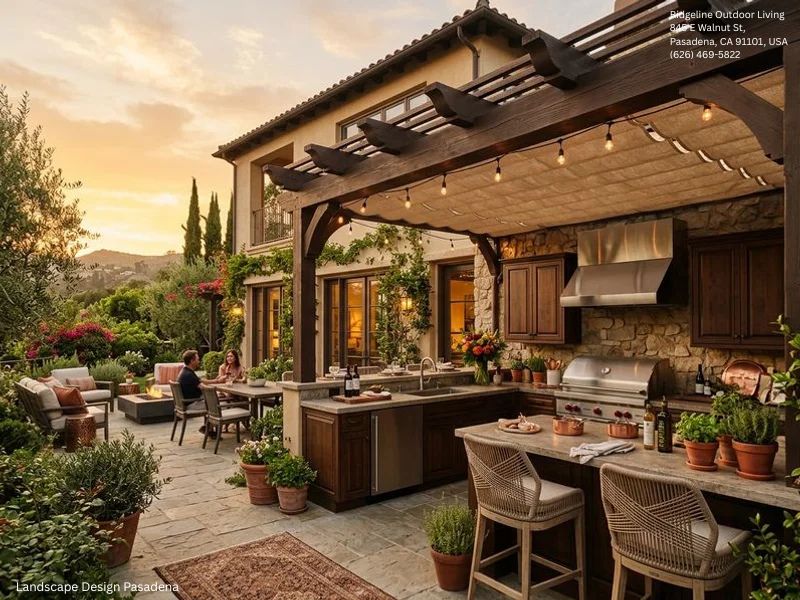
- Reclaimed wood and recycled plastics used for garden structures. Natural stone for durable, environmentally friendly pathways. Biodegradable pots that decompose naturally, reducing waste. Permeable pavers that enhance groundwater recharge and decrease runoff.
These materials support green infrastructure initiatives and foster energy-efficient, sustainable design in landscaping projects.

How Can You Create Pollinator Gardens and Wildlife Habitats?
Pollinator gardens are essential for sustaining bees, butterflies, and other beneficial insects. By planting a diversity of native flowering species and avoiding pesticides, you provide critical food sources and safe environments for wildlife.
Creating connected habitat corridors helps wildlife move freely through urban spaces, enhancing landscape biodiversity. Managing invasive species ensures native plants thrive, preserving natural balances and restoring habitats crucial for ecosystem health.
What Are Some Innovative Eco-Friendly Landscaping Techniques?
Modern sustainable landscaping incorporates innovative techniques such as:
- Green roofs and living walls: These installations improve insulation, air quality, and urban heat reduction. Vertical gardening: Expands green space in limited areas, boosting urban biodiversity. Energy-efficient lighting: Utilizing LED garden lights reduces energy consumption and light pollution.
By adopting these advances, landscapes can enhance their environmental and aesthetic performance simultaneously.
How Can You Manage Soil Erosion and Increase Climate Resilience in Landscapes?
Controlling soil erosion protects valuable topsoil and maintains healthy plant roots. Techniques include ground covers, terracing, and permeable surfaces that absorb water effectively.
Applying permaculture principles—such as integrating low-maintenance plants suited to local conditions—and implementing nature-based solutions bolster landscape resilience against climate variability and extreme weather events.
What Are Best Practices for Composting and Mulching in Eco-Friendly Gardening?
Composting garden waste returns vital nutrients to the soil and decreases landfill contributions. Organic mulch, including green mulch, helps conserve moisture, suppress weeds, and enhance soil organic matter.
Choosing biodegradable pots and layering mulch properly improve soil amendment, reduce erosion, and promote healthier root zones essential for sustainable gardening success.
Frequently Asked Questions
Q1: How long does it take to see benefits from eco-friendly landscaping?
Benefits like improved soil health and water savings often become noticeable within months. However, increased landscape biodiversity and habitat establishment may take one to several years to fully develop.
Q2: Can I implement eco-friendly landscaping solutions on a budget?
Absolutely. Starting with native plant selection, home composting, and mulching are cost-effective steps offering immediate environmental advantages without requiring costly infrastructure.
Q3: Is drip irrigation better than traditional sprinklers for sustainable gardens?
Yes. Drip irrigation delivers water directly to plant roots, greatly reducing evaporation and runoff, making it a more water-efficient and eco-friendly method compared to conventional sprinklers.
Q4: How do green roofs contribute to sustainability?
Green roofs provide natural insulation, reduce urban heat island effects, manage stormwater, and serve as biodiversity hotspots for pollinators and birds, thereby enhancing environmental resilience.
Q5: What plants should I avoid to protect local biodiversity?
Avoid invasive plant species that outcompete native flora and disrupt ecosystems. Focus on native, drought-tolerant, and low-maintenance plants that support local wildlife and preserve landscape biodiversity.
Conclusion
Implementing eco-friendly landscaping solutions is an effective way to reduce environmental impact, conserve resources, and foster thriving outdoor spaces. By integrating native plants, practicing water conservation techniques like drip irrigation and rain gardens, promoting soil health through composting and mulching, and adopting renewable materials, you create resilient landscapes that benefit both people and wildlife.
Innovative approaches such as green roofs, vertical gardening, and energy-efficient lighting further enhance sustainability. Emphasizing pollinator gardens, organic pest control, and erosion management ensures long-term ecological balance and climate resilience.
Start today by choosing sustainable plant species and simple water-wise practices — small changes lead to lasting positive impacts. Together, we can build greener, healthier environments for generations to come.